Upcoming Bikes
Yamaha XSR 155
Nov 2025
About Yamaha XSR 155
The Neo-Retro Thrill: Why the Yamaha XSR 155 is the Most Awaited 150cc Roadster
The two-wheeler market in India is a vibrant landscape, constantly evolving with the demands of riders who seek a perfect blend of style, performance, and heritage. While performance-focused machines and traditional commuters have long dominated the segment, a new wave of "neo-retro" motorcycles has been capturing the imagination of enthusiasts. Standing tall at the peak of this anticipation is the highly-speculated Yamaha XSR 155.
For years, Indian riders have been looking across borders at the international markets, where the XSR 155 has carved out a niche for itself as a stylish, capable, and fun-to-ride roadster. Now, with recent sightings of test mules and strong indications from the company, the dream of owning this modern classic is closer than ever to becoming a reality. This comprehensive article delves into everything we know and expect from the Yamaha XSR 155, from its powerhouse engine to its design philosophy, its expected market position, and how it stacks up against the competition. Get ready to dive deep into what makes this bike a potential game-changer!
A Design That Bridges Eras: Neo-Retro Done Right
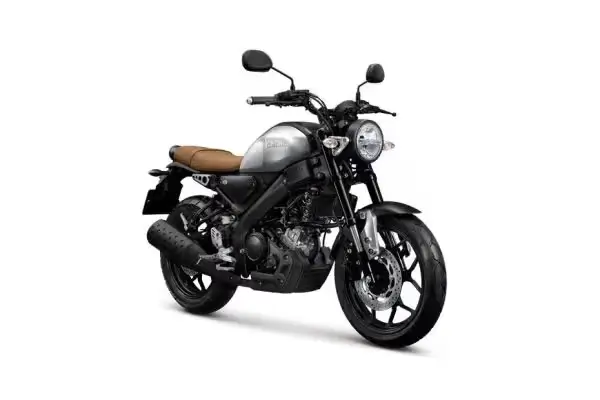
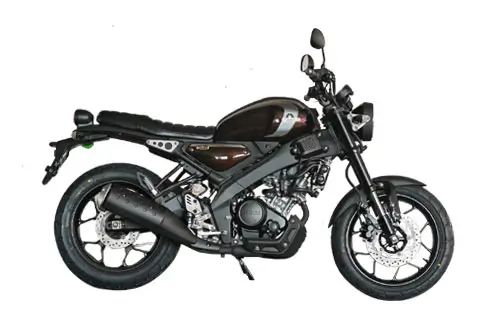
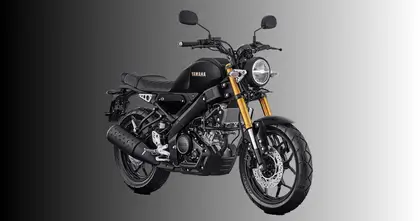
The first thing that strikes anyone about the Yamaha XSR 155 is its stunning design—a masterpiece that skillfully fuses vintage charm with modern aggression. It’s a proud member of Yamaha’s ‘Sport Heritage’ family, carrying the DNA of its larger siblings, the XSR 700 and XSR 900.
The Aesthetics: Where Old Meets New
The entire design revolves around a minimalist, muscular, and timeless aesthetic. The hallmark feature is undoubtedly the round, full-LED headlamp, which instantly evokes the classic roadsters of yesteryear. Complementing this is the handsome, sculpted fuel tank, often seen in a distinctive teardrop shape, giving the bike a bulky yet proportionate stance. This tank is not just about looks; its shape and knee recesses are designed for rider comfort and grip, marrying form and function perfectly.
The minimal bodywork allows the mechanical beauty of the engine and the sporty chassis to be prominently displayed. Unlike the fully-faired sport bikes, the XSR 155 wears its heart on its sleeve. The flat, bench-style seat is another retro touch, promising comfort for both the rider and a pillion, a welcome departure from the aggressively stepped seats on some of its siblings.
At the rear, the circular theme continues with the all-LED taillight unit, maintaining a clean and understated look. The chunky, block-pattern tires (or dual-purpose style, depending on the variant) further enhance the scrambler-esque appeal, suggesting a readiness for more than just pristine tarmac. Overall, the XSR 155 is a bike that has character and soul, designed not just to be ridden, but to be admired. It’s a bike that tells a story, and one that many at BikeCarHub believe will resonate deeply with the Indian market.
The Heart of the Beast: Specifications and Performance
While the styling may lean vintage, the technology powering the XSR 155 is anything but old-school. At its core, the motorcycle is built on Yamaha’s globally acclaimed 155cc platform, sharing its foundations with the highly successful MT-15 and YZF-R15.
Engine and Powertrain: A Performance Pedigree
The XSR 155 is powered by a liquid-cooled, 155cc, Single Cylinder, 4-stroke, 4-Valve, SOHC engine. This powerhouse is equipped with Yamaha’s signature Variable Valve Actuation (VVA) technology. The VVA system ensures a strong pull across the entire rev range—providing good low-end grunt for city commuting and a powerful surge in the top end for highway sprints.
| Specification | Expected Value |
|---|---|
| Engine Type | Liquid-cooled, SOHC, 4-valve, 4-stroke, Single Cylinder, VVA |
| Displacement | 155 cc |
| Max Power | 19.3 PS@10,000 rpm |
| Max Torque | 14.7 Nm@8,500 rpm |
| Bore x Stroke | 58.0 mm x 58.7 mm |
| Fuel System | Fuel Injection |
| Gearbox | 6-Speed, Constant Mesh |
| Clutch | Wet, Multiple-Disc, Assist & Slipper Clutch |
The inclusion of an Assist and Slipper Clutch is a major highlight. This technology reduces clutch effort for lighter gear shifts and prevents the rear wheel from hopping during aggressive downshifts, significantly boosting both performance and safety. The engine, therefore, promises to be a refined, peppy, and reliable unit, perfectly capable of handling the daily grind while also offering exhilarating weekend rides.
The Foundation of Fun: Chassis and Features
The performance credentials are well-supported by a state-of-the-art chassis and a plethora of modern features.
Chassis and Suspension
The XSR 155 is expected to feature the rigid and lightweight Deltabox frame, a characteristic component of Yamaha’s sport bikes that is renowned for its excellent handling and stability at high speeds and around corners.
For suspension, the international model features premium Upside Down (USD) Front Forks and a Monoshock Rear Suspension. While there is speculation that the Indian model might feature conventional telescopic forks to keep costs competitive, recent test mules have hinted at the possibility of retaining the more premium USD units, similar to the MT-15 V2.
Braking and Safety
Braking duties are handled by disc brakes on both the front and rear wheels. Given the competition and safety norms, it is widely expected to feature a Single-Channel ABS (Anti-lock Braking System) as standard. Many enthusiasts are hoping for a Dual-Channel ABS variant, but Yamaha often reserves that for its higher-end models.
Key Features and Technology
The neo-retro theme continues in the feature department. The bike boasts a fully digital, circular LCD instrument cluster, which provides essential information such as speed, tachometer, gear position indicator, VVA indicator, and fuel level. While the retro styling keeps the console simple, the modern functionality is all there.
Additional expected features include:
- Full LED Lighting: Headlamp, taillight, and turn indicators for excellent visibility and a modern feel.
- High-Performance Variable Valve Actuation (VVA).
- Assist & Slipper Clutch.
- Radial Rear Tyre: For enhanced grip and stability.
Here is a comprehensive look at the expected specifications and features:
Specifications & Features Comparison Table (Expected)
| Feature | Details |
|---|---|
| Engine | 155 cc, Liquid-Cooled, SOHC, VVA |
| Max Power | 19.3 PS |
| Max Torque | 14.7 Nm |
| Gearbox | 6-Speed |
| Chassis | Deltabox Frame |
| Front Suspension | Upside-Down (USD) Forks / Telescopic Forks (Speculation) |
| Rear Suspension | Monoshock |
| Front Brake | Disc |
| Rear Brake | Disc |
| ABS | Single-Channel (Expected) |
| Tyre Type | Tubeless, Radial Rear |
| Instrument Console | Circular Full-Digital LCD |
| Headlamp | Full LED |
| Fuel Tank Capacity | 10 Litres |
| Kerb Weight | 134 kg |
Market Positioning: Expected Price and Launch Timeline
The most burning questions surrounding the XSR 155 are its price and launch date. Based on industry trends, component sharing with the MT-15, and recent market developments, we can form a reasonable estimation.
Expected Launch Timeline
The anticipation has been building for years, but the recent test mule sightings suggest that the bike is well into its final stages of preparation for the Indian market.
·Expected Launch Timeline: Nov 2025 (Tentative). Some reports suggest a possible launch around the festive season in Nov 2025, possibly November 2025, but a formal introduction in early 2026 seems more plausible to ensure a smooth supply chain.
Expected Prices
Considering that the XSR 155 shares its engine and chassis with the MT-15 V2 and will likely be positioned as a premium lifestyle offering, its pricing is expected to be competitive yet premium.
·Expected Price Range (Ex-Showroom): ₹1,60,000 to ₹1,80,000
This pricing would position the XSR 155 right in the middle of the premium 150cc segment and directly against the more powerful but retro-themed 350cc competitors, giving performance enthusiasts a powerful, lightweight, and modern alternative.
The Retro Rumble: Competitors Comparison
The Yamaha XSR 155 will enter a highly contested segment, facing off against both modern naked bikes and other retro-styled machines. Its unique selling proposition (USP) will be the blend of high-performance Japanese engineering (liquid-cooling, VVA, Slipper Clutch) and its timeless neo-retro aesthetics.
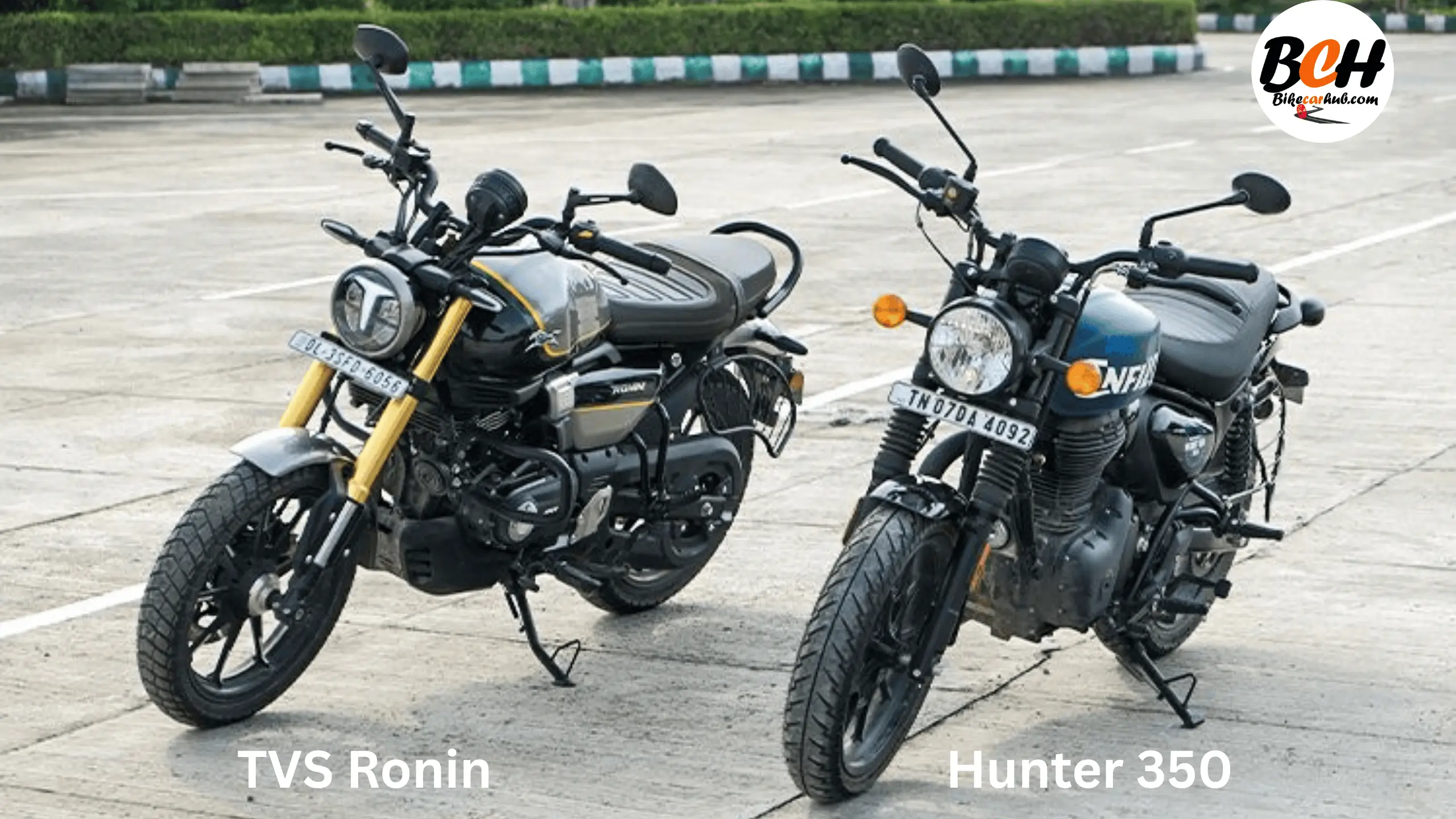
Its primary competitors in the segment based on price and styling will be the TVS Ronin and the Royal Enfield Hunter 350. However, due to its performance pedigree, it also competes with its own sibling and the KTM 200 Duke.
Competitors Comparison Table
| Feature | Yamaha XSR 155 (Expected) | Royal Enfield Hunter 350 | TVS Ronin | KTM 200 Duke |
|---|---|---|---|---|
| Engine | 155 cc, Liquid-Cooled, VVA | 349 cc, Air-Oil Cooled | 225.9 cc, Air-Oil Cooled | 199.5 cc, Liquid-Cooled |
| Max Power | 19.3 PS | 20.2 PS | 20.4 PS | 25 PS |
| Max Torque | 14.7 Nm | 27 Nm | 19.93 Nm | 19.3 Nm |
| Gearbox | 6-Speed | 5-Speed | 5-Speed | 6-Speed |
| ABS | Single-Channel (Expected) | Dual-Channel | Single / Dual-Channel | Dual-Channel |
| Weight | ≈134 kg | 181 kg | 160 kg | 159 kg |
| Front Suspension | USD / Telescopic (Expected) | Telescopic | USD Forks | USD Forks |
| Expected Price (Ex-Showroom) | ₹1.60 - ₹1.80 Lakh | ₹1,37,640 − ₹1,66,883 | ₹1,24,790 − ₹1,59,390 | ₹1,91,324 |
Analysis: The XSR 155 clearly stands out with its lightweight nature and the inclusion of liquid-cooling and VVA in the 150cc neo-retro space, offering a higher power-to-weight ratio than the Ronin and Hunter 350, leading to superior agility and performance. While the Hunter offers more outright torque and the KTM 200 Duke offers more peak power, the Yamaha XSR 155 positions itself as the perfect balance of modern features, retro style, and thrilling, yet manageable, performance.
A Look at the Riding Experience
What can riders expect once they finally swing a leg over the Yamaha XSR 155?
City Commuting and Ergonomics
The light kerb weight (134 kg) and compact dimensions will make the XSR 155 an absolute joy in city traffic. Its aggressive yet comfortable riding posture—thanks to the flat handlebar and neutral footpeg position—ensures easy maneuverability through congested streets. The refined liquid-cooled engine, coupled with the slipper clutch, promises smooth, stress-free shifts and a manageable experience in stop-and-go conditions.
Highway Prowess
Despite being a 150cc machine, the engine’s VVA technology ensures it has enough juice for comfortable highway cruising. The sixth gear acts as an overdrive, keeping the engine relaxed and fuel efficient during long hauls. While it won't challenge a 300cc bike, the XSR 155 is perfectly capable of maintaining triple-digit speeds and handling inter-city touring with ease, a key insight often discussed on enthusiast platforms like BikeCarHub.
Handling and Ride Quality
The Deltabox chassis is the backbone of the XSR 155’s handling. Paired with the expected USD forks (if they make it to India) and a mono-shock rear, the bike is expected to offer sharp, confident handling on twisty roads. The suspension setup is likely to be slightly on the firmer side, typical of Yamaha, offering excellent feedback to the rider, though still supple enough to absorb minor road imperfections.
Conclusion: A Masterpiece in the Making
The Yamaha XSR 155 is more than just another motorcycle; it's a statement. It’s a beautifully crafted machine that satisfies the emotional desire for classic motorcycling heritage while delivering exhilarating, thoroughly modern performance. For the young professional seeking a stylish daily commuter, or the seasoned rider looking for a fun, lightweight, and characterful weekend machine, the XSR 155 hits the sweet spot.
Its potent engine, advanced VVA technology, lightweight chassis, and striking neo-retro design make it a serious contender to shake up the entire premium 150-350cc segment. While the wait for the official Indian launch continues, the excitement is palpable, and for good reason. The XSR 155 is set to redefine the standards of the modern-classic segment in India.
Frequently Asked Questions (FAQs)
Here are 10 frequently asked questions and their detailed answers regarding the Yamaha XSR 1


BikeCarHub | 5 Dec 2024
BikeCarHub | 29 Nov 2024


Popular Brands









































Compare Bikes