Upcoming Bikes
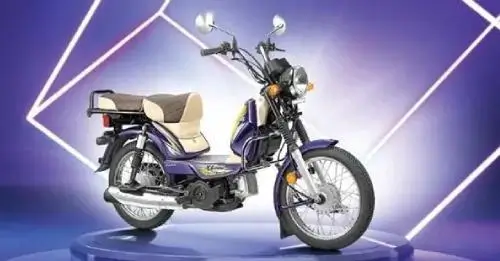
TVS XL EV
Dec 2025
About TVS XL EV
TVS XL EV: Electrifying the Workhorse—Launch Date, Price, Specs, and a Deep Dive into India’s Most Awaited Electric Moped
Introduction: The Silent Revolution of a Classic Workhorse
Few two-wheelers hold a place in the Indian psyche quite like the TVS XL. For decades, it has been the undisputed champion of utility, a trusty companion for small businesses, delivery riders, and countless families across the nation. It’s more than just a moped; it is, quite literally, a workhorse on two wheels. Now, as India speeds into an electric future, TVS Motor Company is preparing to unleash a new chapter in this legendary story: the TVS XL EV.
The anticipation for the TVS XL EV is immense, and for good reason. It represents the perfect fusion of tried-and-tested utility with cutting-edge, sustainable electric technology. While the official curtains are still tightly drawn, industry murmurs and patent filings suggest a major launch is just around the corner. Debut in December 2025, the electric XL is poised to completely redefine the entry-level and commercial electric two-wheeler segment. This isn't just an upgrade; it’s a total transformation aimed at delivering shocking cost savings and a cleaner ride for the common person.
Here at BikeCarHub, we understand the significance of this transition. This detailed article aims to be your one-stop resource, compiling all the available intelligence, expert speculation, and detailed analysis on the TVS XL EV. From its specifications and price to a head-to-head comparison with its rivals, we cover every detail you need to know about this upcoming game-changer. Get ready to explore how TVS plans to maintain the XL’s legacy while plugging into a powerful electric tomorrow.
The New Identity: Design and Aesthetics of the Electric XL
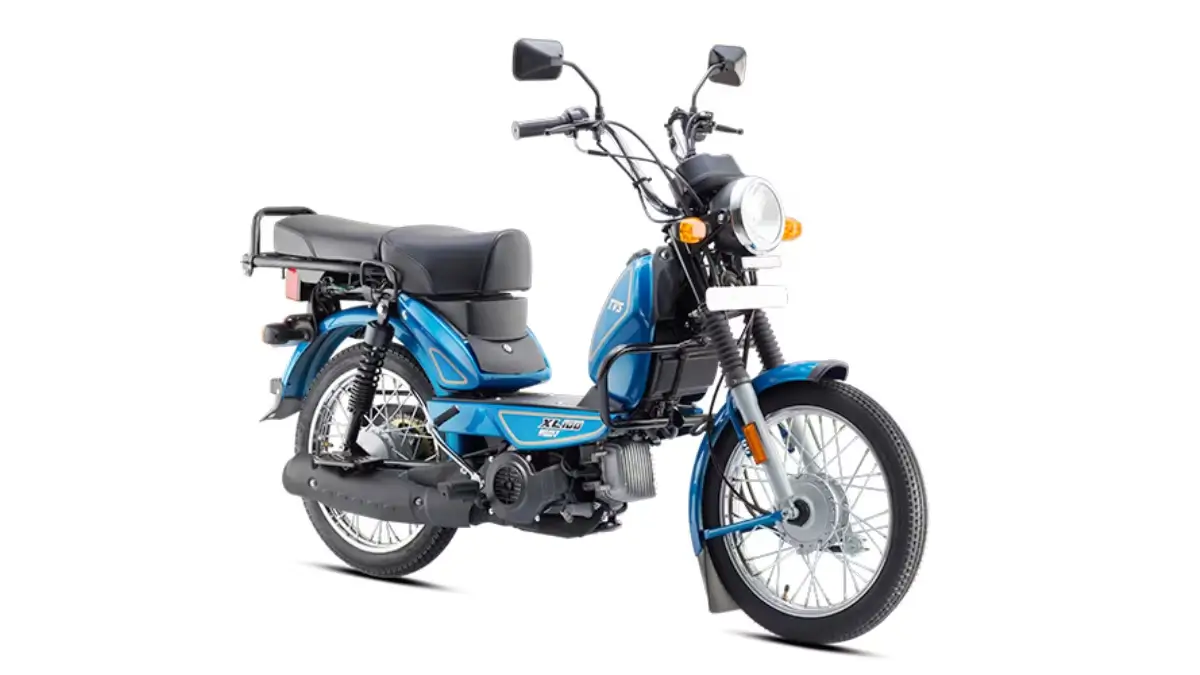
When TVS decided to electrify the XL, the biggest challenge was preserving its iconic, utilitarian identity while integrating modern EV elements. The internal combustion engine (ICE) version’s charm lies in its no-nonsense, rugged, and functional design. We anticipate the TVS XL EV to faithfully carry forward this DNA.
Familiar Form, Electric Function
The overall silhouette is to remain largely unchanged, maintaining the lightweight underbone chassis that makes the XL so maneuverable. However, crucial design tweaks will mark its electric shift.
- Front Facia Refreshed: While the signature round or square headlamp design may be retained to honor the classic model, we expect a transition from traditional bulb lighting to full LED lighting. This upgrade is essential not just for a modern aesthetic but also for energy efficiency, a critical factor for any electric vehicle's range. The front apron might see subtle aerodynamic improvements and perhaps a small 'EV' or 'Electric' badge to subtly announce its new identity.
- The Powerhouse Positioning: The large, utility-focused floorboard—a major highlight of the XL 100—will certainly remain. However, the space where the ICE version's fuel tank is typically located might be cleverly repurposed for charging ports, a digital console control hub, or extra storage. The battery pack itself will likely be located under the seat or the floorboard, keeping the center of gravity low for better stability and handling, a key requirement for a load-carrying vehicle.
- Robust Bodywork: Expect the electric XL to retain the durable, all-metal body panels found in its ICE counterpart. This build quality is non-negotiable for a vehicle predominantly used for heavy-duty commercial purposes, ensuring longevity and resilience against the rigors of daily use.
The Utilitarian Advantage: Seating and Storage
The XL EV must excel in practicality. Its single, detachable rear seat is a fundamental feature that allows it to convert from a two-seater family vehicle to a highly efficient cargo carrier. This versatility will be a core strength of the EV version, allowing delivery partners and small shopkeepers to maximize its utility. The ample floorboard space and the ability to strap cargo to the rear luggage carrier will continue to make it an essential tool for commercial use. The design will be centered around accessibility and ease of mounting/dismounting, making it suitable for riders of all ages and stature.
Powering the Workhorse: Motor and Battery Specifications

Moving from a 99.7cc petrol engine to an electric drivetrain is a colossal engineering leap. The performance metrics of the XL EV will be fundamentally different, focusing on instant torque, silent operation, and efficiency.
Battery, Range, and Charging
The heart of the XL EV will be its battery pack. To maintain the aggressive ex-showroom price target of sub-₹70,000, TVS will likely opt for a cost-efficient yet robust Lithium-ion (Li-ion) battery.
- Battery Capacity: Industry speculation suggests a battery pack in the vicinity of 1.5 kWh to 2 kWh. This capacity is a sweet spot for balancing cost, weight, and range for a city-centric moped.
- Range: Given the low-speed nature of the vehicle and optimization for efficiency, the TVS XL EV is to deliver a practical range of 60 km to 80 km on a single charge in real-world city conditions. This is perfectly adequate for daily commutes, short-haul deliveries, and utility runs, where the average daily distance is generally below 50 km.
- Charging Solution: To cater to its target audience—which may not have dedicated home charging setups—the XL EV is highly likely to feature a portable charger that can be plugged into any standard 5A household socket. The charging time from 0 to 80% could take anywhere between 4 to 5 hours. We also speculate a swappable battery option might be introduced in commercial fleet variants, ensuring minimal downtime for businesses.
Motor Performance and Drivetrain
The motor will be designed for efficiency and high initial torque—perfect for carrying heavy loads from a standstill.
- Max Power and Top Speed: Expect the electric motor to produce around 1.5 kW to 2 kW (approximately 2 to 2.7 bhp) of continuous power. Crucially, the XL EV will offer instant torque delivery, which is superior to the ICE version's 6.5 Nm, translating to a quicker, effortless pick-up in city traffic. The top speed will be electronically limited to around 50-60 kmph, aligning it with the utility-focused nature and ensuring it remains within the L2 category of electric two-wheelers.
- Transmission: Like all modern electric two-wheelers, the XL EV will feature a seamless, single-speed automatic transmission, eliminating the need for clutch and gears and making the ride significantly simpler and less fatiguing, especially for riders carrying goods.
Practicality and Features: Built for the Modern Utility Rider
The success of the XL EV hinges on integrating smart, functional features without escalating the cost. TVS is to tread a fine line, adding modern necessities while retaining the XL’s core value proposition.
Rider and Connectivity Features
This is where the XL EV will differentiate itself significantly from its petrol predecessor.
| Feature | TVS XL EV | TVS XL 100 (Current ICE Model) | Utility Enhancement |
|---|---|---|---|
| Instrument Cluster | Digital/Semi-Digital Console | Analogue Speedometer | Clear display of charge, range, speed, and trip data. |
| Mobile Connectivity | Basic Bluetooth/App (Optional) | None | Navigation assistance, charging station location, and ride statistics. |
| USB Charging Port | Standard/Easily Accessible | Available on some variants | Essential for delivery riders and commuters to charge phones on the go. |
| Start Type | Silent/Electric Start (Standard) | Kick Start / i-Touchstart (Electric Start) | Instant, quiet, and effortless starting. |
| Riding Modes | Eco and Power (2 Modes) | None | 'Eco' maximizes range; 'Power' offers better torque for heavy loads. |
| Security | Anti-theft Alarm, Geo-fencing (Optional) | Basic Ignition Lock | Enhanced security for commercial-use vehicles. |
Riding Dynamics and Safety
The XL EV will leverage its heavy-duty heritage in its mechanical components.
- Suspension: A robust Telescopic Hydraulic Spring type suspension in the front and a Swing Arm with Hydraulic Shocks at the rear. These components are proven on the XL 100 to handle rough Indian roads and substantial cargo loads.
- Braking System: The moped will feature reliable drum brakes on both the front and rear wheels. Crucially, it will incorporate Synchronized Braking Technology (SBT) or Combi-Braking System (CBS) for enhanced safety, distributing braking force between both wheels. Regenerative braking will also be a core feature of the EV system, which not only assists in slowing down but also feeds a small amount of energy back to the battery, improving the overall range.
- Chassis and Weight: Despite the added weight of the battery pack, the XL EV is to maintain a relatively light kerb weight, likely between 85 kg to 95 kg. This lightweight design is vital for easy handling and maneuverability in congested city traffic.
TVS XL EV Price and Launch Details
The pricing will be the most critical factor in the XL EV’s market strategy, aiming for a price point that makes the electric transition accessible to the masses.
Price Positioning
Given the cost structure of its main rival, the Kinetic Green E-Luna, and TVS's tradition of aggressive pricing for the XL series, the ex-showroom price is set to be highly competitive.
- Price Range: ₹ 60,000 to ₹ 70,000 (Ex-showroom, India).
-
Variants: TVS will likely introduce two main variants:
- Standard/Base Variant: Focused solely on utility, featuring a smaller battery (e.g., 1.5 kWh) and minimal digital features to keep the price at the lower end.
- i-Touchstart/Heavy Duty EV Variant: Offering a larger battery (e.g., 2 kWh) for extended range, a fully digital console, LED lights, and potentially smart features like Bluetooth connectivity and geo-fencing for commercial fleet operators.
Launch Schedule
The market buzz suggests that the TVS XL EV is slated for an official India launch in December 2025. While the initial sales might concentrate on major metropolitan and Tier-1 cities, TVS’s unparalleled dealer network across rural and semi-urban areas means a rapid nationwide rollout is anticipated shortly after the launch.
Colour Variants: Painting the Electric Canvas
The XL 100 is known for its practical, no-fuss colour options. For the EV version, TVS is likely to introduce a mix of classic, robust colours and a new, distinct shade to highlight its electric identity.
We anticipate the TVS XL EV will be offered in a choice of four colours at launch:
- Starlight Blue: A vibrant, electric-inspired colour that is popular in the EV segment.
- Heavy-Duty Black: The classic, utilitarian colour, perfect for commercial use.
- Coral Red: A bright, eye-catching option for personal buyers.
- Metallic Silver/Grey: A neutral colour that emphasizes the metal body and durability.
Specifications & Features Comparison Table: XL EV vs. XL 100
To truly appreciate the transformation, let's look at the speculated TVS XL EV specifications alongside the tried-and-tested TVS XL 100.
| Specification / Feature | TVS XL EV | TVS XL 100 (ICE) |
|---|---|---|
| Fuel Type | Electric | Petrol |
| Price (Ex-showroom) | ₹ 60,000 - ₹ 70,000 | ₹ 43,900 - ₹ 59,800 |
| Motor/Engine | Hub-mounted/Mid-drive Electric Motor (1.5-2 kW) | 99.7 cc, Single-Cylinder, 4-Stroke |
| Max Power | 2.7 bhp (Instant Torque) | 4.3 bhp@6000 rpm |
| Max Torque | High Instant Torque (~20-25 Nm at wheel) | 6.5 Nm@3500 rpm |
| Transmission | Automatic (Single Speed) | Automatic (Centrifugal Wet Clutch) |
| Top Speed | 50 - 60 kmph (Limited) | 60 kmph |
| Range / Mileage | 60 - 80 km/charge (Real World) | 55 kmpl (Fuel Efficiency) |
| Battery Type / Capacity | Lithium-ion (1.5 kWh - 2 kWh) | 4-Liter Fuel Tank |
| Charging Time | 4 - 5 Hours (0-80%) | Instant Refuel |
| Kerb Weight | 85 - 95 kg | 88 - 89 kg |
| Instrument Cluster | Digital/Semi-Digital Console | Analogue/Semi-Digital (i-Touchstart) |
| Lighting | Full LED | Halogen Bulb (with DRLs on some variants) |
| Safety System | SBT/CBS with Regenerative Braking | SBT/CBS |
The Electric Showdown: Competitor Comparison
The entry of the TVS XL EV signals a major intensification of the electric utility vehicle segment. Its primary competitor will undoubtedly be the newly revived Kinetic Green E-Luna. However, it will also face challenges from other affordable electric two-wheelers.
Market Positioning and Rivalry
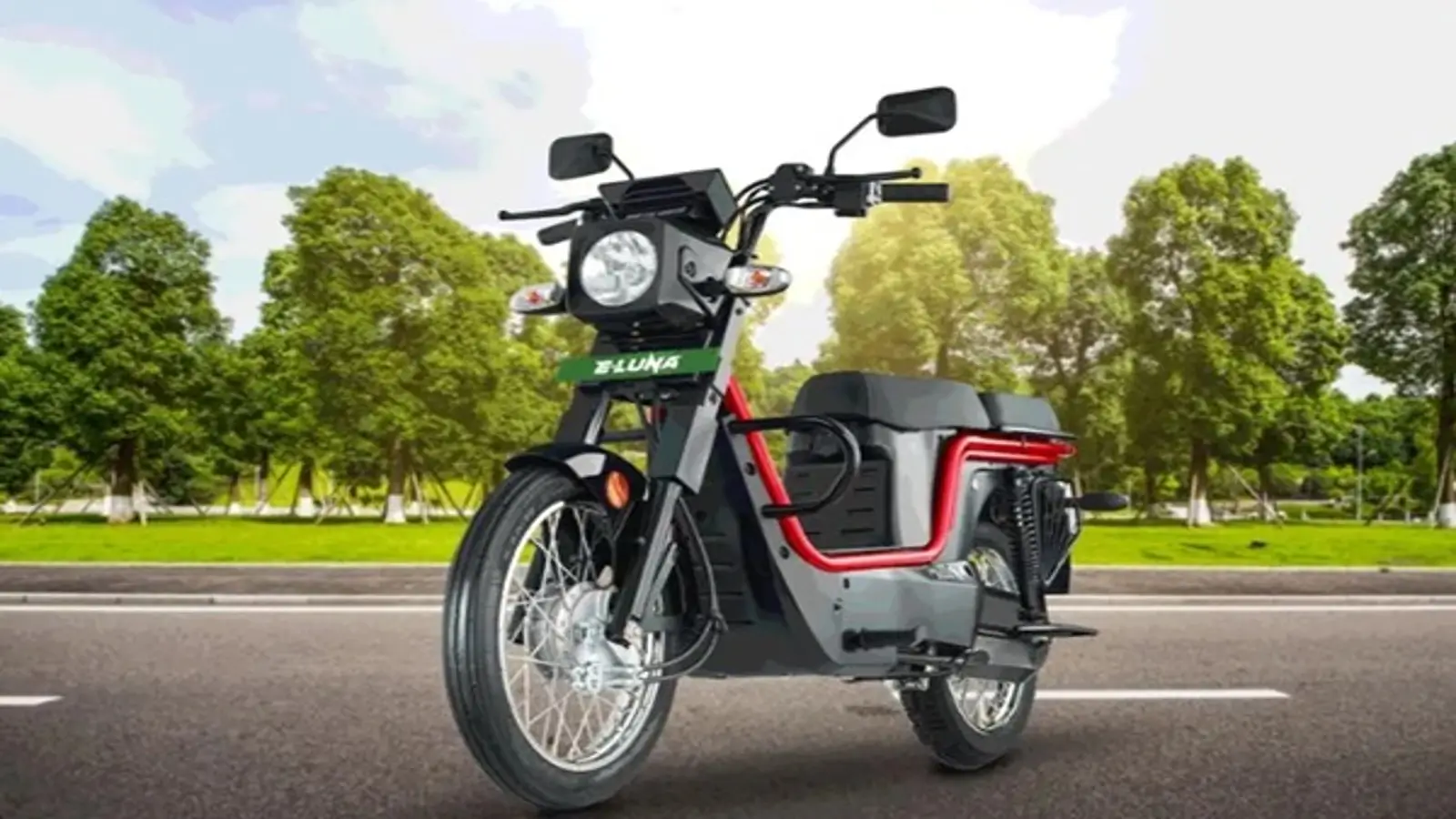
The XL EV is entering a segment where cost-effectiveness and durability are paramount. Its main rival, the E-Luna, is marketed on similar lines, banking on the nostalgia of the classic Luna.
- TVS XL EV's Edge: The XL EV will rely on the immense trust and widespread service network of the TVS brand. The XL name itself is synonymous with load-carrying and low maintenance. If TVS manages to match the E-Luna's price, the brand loyalty alone could be a massive advantage.
- The E-Luna Challenge: The Kinetic Green E-Luna is already a head start in the electric moped space, offering a competitive range and an attractive price point (starting around ₹ 69,990). The E-Luna often boasts a higher claimed range and better ground clearance, which the XL EV will need to match or surpass.
- Affordable Scooter Threat: The TVS XL EV must also contend with affordable electric scooters like the Ola S1 Z and models from Hero Electric and Komaki, which offer more sophisticated features (digital consoles, better styling) at a slightly higher price point. The XL EV’s focus must remain sharply on utility, ruggedness, and running costs to win over the commercial buyer.
This is a battle of the giants in the utility space, and the electric avatar of the XL is the champion TVS is backing.
Competitors Comparison Table
A side-by-side look at how the TVS XL EV stacks up against its closest electric utility rivals.
| Feature | TVS XL EV | Kinetic Green E-Luna | Hero Electric Optima |
|---|---|---|---|
| Price (Ex-showroom) | ₹ 60,000 - ₹ 70,000 | ₹ 69,990 - ₹ 82,490 | ₹ 83,300 - ₹ 1.04 Lakh |
| Body Type | Electric Moped / Utility | Electric Moped / Utility | Electric Scooter |
| Range (Claimed) | 70 - 80 km/charge | 110 - 120 km/charge | 89 - 135 km/charge |
| Top Speed | 50 - 60 kmph | 50 kmph | 55 kmph |
| Payload Capacity | 130 - 150 kg | 150 kg | Less Focus on Payload |
| Battery | Li-ion (1.5 - 2 kWh) | Li-ion (1.7 kWh to 2.2 kWh) | Li-ion (2.2 kWh) |
| Key Features | Detachable Seat, USB Charging, Digital Console | Foldable Stand, Portable Battery, USB Charging | Cruise Control, Digital Cluster, Mobile App Connect |
| Target Audience | Commercial/Utility, Entry-Level Commuters | Commercial/Utility, Rural Commuters | General Commuters, Urban Users |
The Riding Experience: What to Expect
The electric transition isn't just about saving money; it’s about a superior riding experience, especially in the city. The TVS XL EV is to deliver a ride that is surprisingly refined compared to its petrol counterpart.
The most noticeable difference will be the silent, vibration-free operation. Gone will be the distinct "puk-puk" of the old XL; in its place will be a near-silent hum. This drastically reduces rider fatigue, a huge advantage for those who spend long hours on the road for deliveries.
The high initial torque from the electric motor means that acceleration from a standstill will be quick and effortless, even with a pillion rider or a heavy load. It will easily handle stop-start city traffic and mild inclines without the struggle sometimes experienced by the low-powered ICE version.
The light kerb weight (to be under 100 kg) combined with a low center of gravity from the under-floor battery placement will ensure excellent maneuverability. This moped will be exceptionally easy to handle in tight lanes, congested markets, and crowded parking spaces, reinforcing its reputation as the perfect last-mile delivery solution. The riding posture will remain upright and comfortable, favoring utility over sporty ergonomics.
It's clear that the XL EV is not just a vehicle; it’s a business tool. Its reliability, coupled with the shockingly low running cost (just a few paisa per kilometer) makes it an unmatched value proposition. It’s this blend of familiar utility and modern EV advantages that BikeCarHub believes will be the secret sauce to the TVS XL EV's success. This is a machine designed to keep India’s small businesses moving forward, cleaner and cheaper than ever before.
The Future Outlook and Market Impact
The launch of the TVS XL EV in December 2025 is more than just a new product announcement; it's a statement of intent from TVS. By electrifying its highest-volume utility product, TVS is essentially democratizing EV ownership in India.
This move validates the utility segment as a key driver of the electric mobility revolution. For years, the focus has been on premium scooters and high-performance motorcycles. The XL EV shifts the spotlight back to the grassroots—the small vendor, the delivery agent, and the budget-conscious family.
The TVS XL EV has the potential to trigger a mass-scale conversion from petrol to electric, particularly in the highly competitive commercial two-wheeler space. Its success will force all other manufacturers to take the electric moped segment seriously, ultimately benefiting the consumer with more choices, better technology, and lower prices. It’s a vital step towards achieving the national goal of sustainable transportation.
Conclusion
The TVS XL EV is shaping up to be one of the most significant two-wheeler launches in recent memory. By taking a cherished, utilitarian icon and infusing it with modern electric technology, TVS is poised to capture the heart and budget of the everyday Indian rider. While we eagerly await the official word on the final specifications and price in December 2025, the picture is clear: the TVS XL EV is ready to power a new, silent, and sustainable revolution on India's roads. Keep following BikeCarHub for the latest updates on this incredible electric moped.
Frequently Asked Questions (FAQs)


BikeCarHub | 5 Dec 2024
BikeCarHub | 29 Nov 2024


Popular Brands











































Compare Bikes