The Ultimate Road Trip Prep: Your Complete Motorcycle Maintenance and Packing Checklist for Long-Haul Adventures
27 Oct 2025
There is a unique and profound freedom that comes with a long-distance motorcycle road trip. The road stretches out, the air rushes past, and every mile becomes a part of a personal narrative. However, that sense of freedom is only truly enjoyable when it is paired with the absolute confidence that your motorcycle is prepared for the journey. A breakdown on a desolate stretch of highway can quickly turn an epic adventure into an epic headache.
Preparing a motorcycle for a long haul is a commitment, a ritual of preventative care that ensures reliability, safety, and comfort. This comprehensive checklist covers everything from the critical nuts-and-bolts maintenance to the strategic art of packing. By following these detailed steps, any rider can transform their machine into a reliable touring partner, ready to conquer thousands of miles.
Part I: Pre-Trip Maintenance – The Rider's Responsibility
Before the open road calls, a rider must first answer the call of the garage. The goal here is simple: eliminate any potential failure points before they become a real-world problem. This isn't just about changing the oil; it's a deep, systematic check of every major system on the bike.
The Foundation: Engine and Fluids (The Lifeblood)
The engine is the heart of the journey, and its fluids are the lifeblood. Neglecting these basics is the single biggest mistake a touring rider can make.
1. Engine Oil and Filter Change
- The Critical Rule: Even if your oil is a few hundred miles shy of its scheduled change, change it now. Starting a multi-thousand-mile trip with fresh oil and a new filter is non-negotiable. Fresh oil ensures maximum lubrication and cooling efficiency, which is vital when the engine will be running for hours on end under varying loads and temperatures.
- Highlight: Always use the manufacturer-recommended grade and specification of oil (synthetic or semi-synthetic) for maximum engine protection.
2. Coolant and Brake Fluid
- Check Coolant: For liquid-cooled bikes, ensure the coolant reservoir is topped up to the correct level and that the fluid looks clean. A flush and refill might be advisable if the coolant is nearing the end of its service interval, as overheating is a common killer on long, hot stretches.
- Inspect Brake Fluid: Brake fluid is hygroscopic—it absorbs moisture over time. This reduces its boiling point, leading to brake fade under heavy use, especially in mountains. Check the level in the reservoirs and, ideally, flush and replace the fluid if it hasn't been done within the last year.
3. Air Filter and Fuel System
- Air Filter Health: A dirty air filter starves the engine of oxygen, leading to reduced performance and poor fuel economy—two things you absolutely do not want on a long trip. Clean or replace the air filter as needed.
- Fuel Lines and Hoses: Visually inspect all fuel lines for cracks, hardening, or leaks. Ensure the throttle operates smoothly and snaps back instantly when released. A quick check of the spark plugs can also give an indication of engine health (ideal plugs should be a light tan or grey colour).
The Contact Points: Tires and Wheels (Safety First)
The tires are the only part of the motorcycle touching the ground, making them the most critical safety item. A thorough inspection here is paramount.
1. Tire Condition and Tread Depth
- Tread Depth: Check the tread depth across the entire surface of the tire. Worn tires significantly reduce grip in wet conditions. If the tread is close to the legal limit or the wear bars are showing, replace the tires before the trip. It is much easier to replace them in your home garage than trying to find the right size in a remote town.
- Visual Inspection: Look for embedded foreign objects (nails, glass), cuts, cracks in the sidewalls, or any bulging, which could indicate internal structural damage.
2. Tire Pressure Adjustment
- The Loaded Recommendation: Tire pressure must be checked when the tires are cold (before riding). Crucially, you must adjust the pressure to the manufacturer's recommended setting for a fully loaded bike, which accounts for your luggage and yourself (and a passenger, if applicable). This is often higher than the solo-riding pressure.
- Highlight: Incorrect pressure affects handling, safety, and tire longevity.
- Underinflation is the leading cause of tire failure on long trips.
The Power Transmission: Chain/Shaft, Brakes, and Electrical
These systems manage your acceleration, stopping, and visibility—all essential for a safe journey.
1. Drive Chain and Sprockets
- Tension and Alignment: Check the chain tension and adjust it according to the bike's service manual specifications. An overly tight chain can damage bearings, and a loose chain can derail. Ensure the wheel is aligned properly.
- Lubrication and Wear: Thoroughly clean the chain of old gunk and re-lubricate it with quality chain wax or lube. Inspect the front and rear sprockets for 'hooking' or sharp, pointed teeth—a sign that the sprockets (and likely the chain) need replacement.
- Shaft Drive: For shaft-drive bikes, check for fluid leaks around the final drive housing and ensure the fluid is at the correct level (or have it serviced if due).
2. Brakes (Pads and Discs)
- Pad Thickness: Visually inspect the brake pads. If they are less than 2-3mm thick, replace them. Even 50% wear might not be enough for a full-length tour, especially if you plan on heavy braking or mountain riding.
- Rotor/Disc Condition: Check the rotors for scoring, warping, or excessive wear. They should be smooth and flat.
- Functionality: Test both the front and rear brakes for firm, responsive action. There should be no sponginess or excessive lever travel.
3. Electrical System and Battery
- Battery Check: Ensure the battery terminals are clean, tight, and free of corrosion. If the battery is older (3+ years), consider a load test to ensure it can handle the continuous draw of accessories (GPS, heated gear) on the road.
- All Lights and Signals: Check the headlight (low and high beam), taillight, brake light (front and rear activation), and turn signals. Visibility is key. Carry spare fuses and bulbs, especially for older models.
- Charging System: If possible, check the output voltage of the charging system (alternator/stator and regulator/rectifier) to ensure the bike is properly recharging the battery while running.
BikeCarHub Exclusive: Long-Haul Reliability Checklist
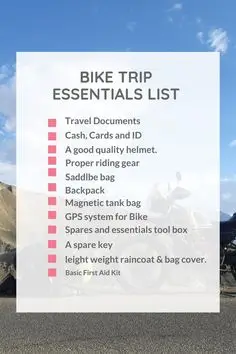
| Component | Pre-Trip Action | Reason for the Check |
|---|---|---|
| Engine Oil | Change Oil & Filter, regardless of mileage proximity. | Maximizes cooling and lubrication for continuous high-load running. |
| Tire Pressure | Check cold and set to Loaded specifications. | Correct pressure prevents failure, improves handling, and maximizes tire life. |
| Brake Fluid | Check level; bleed/replace if over 1 year old. | Prevents brake fade by eliminating moisture absorption (hygroscopy). |
| Chain/Sprockets | Clean, lubricate, and check for correct tension. | Prevents derailment, extends drivetrain life, and ensures smooth power. |
| Suspension | Adjust settings for the full luggage/rider weight. | Essential for stable handling, cornering, and rider comfort over long distances. |
Comfort and Ergonomics (Rider Health)
A tired rider is a dangerous rider. Small adjustments before the trip can drastically reduce fatigue.
- Suspension Adjustment: Adjust the suspension settings (pre-load and damping) to accommodate the extra weight of your luggage and yourself. Proper adjustment is critical for stable high-speed handling and rider comfort.
- Controls and Levers: Ensure the clutch and brake levers, gear shifter, and foot pegs are in comfortable, easily accessible positions. A minor discomfort over a single day becomes debilitating over a week.
- Wind Protection: Check your windscreen for cracks and clean it thoroughly. Consider adding an auxiliary spoiler or checking a different screen height if you experience excessive buffeting, which can cause significant neck and shoulder fatigue.
Part II: The Art of Packing – Strategic Load Management
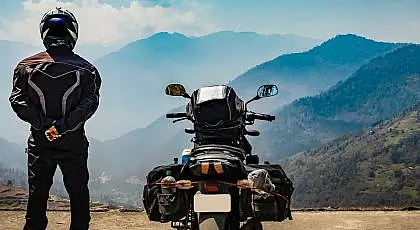
Packing a motorcycle is a fine balance between necessity and physics. You have limited space, and improper weight distribution can compromise your bike's handling and safety. The fundamental rule for any journey, as often emphasized on BikeCarHub is to be prepared, but not over-burdened.
Choosing Your Luggage System
The type of luggage you use affects how you pack and how the bike handles.
Hard vs. Soft Luggage:
- Hard Cases (Panniers/Top Box): Offer excellent security, are lockable, and are typically waterproof. Best for on-road touring. Their downside is a slightly wider profile and a higher cost.
- Soft Luggage (Saddlebags/Dry Bags): Lighter, more flexible, and better for off-road/adventure riding where a fall won't damage a metal box. The trade-off is often less security and potentially less water resistance unless using dedicated dry bags.
- Tank Bag: An absolute must-have for quick-access items: documents, wallet, phone, water, snacks, and passport. Crucially, this is the best place for your heaviest items.
Strategic Packing Principles
Weight distribution is more important than capacity. Think low, central, and equal.
- Low and Central: Place the heaviest items (tools, spare parts, water) as low as possible and as close to the center of the motorcycle as possible (e.g., in the bottom of saddlebags, or in the tank bag). This preserves the bike's natural center of gravity, maintaining predictable handling.
- Even Distribution: Ensure the weight is balanced equally between the left and right side of the bike. Uneven loading will make the bike pull to one side and feel unstable in corners.
- Use Compression: Use stuff sacks, compression bags, or vacuum bags for clothing to save space and make them easier to fit into awkward luggage shapes. Roll clothes, do not fold them, to prevent creasing and save space.
- Quick-Access Items: Rain gear, tire repair kits, and a basic first-aid kit should be packed last or placed in a tank bag or easily accessible tail bag. You do not want to be fumbling through a pannier in a downpour for your waterproof layer.
The Essential Packing Checklist
A long road trip requires layers of preparation, from personal comfort to roadside emergency.
Riding Gear and Apparel (Never Compromise)
- Helmet: Full-face, high-quality, and in good condition. Consider a transition visor or pinlock anti-fog insert.
- Protective Layers: Armored jacket and pants (with liners for versatility).
- Gloves: Two pairs—one vented/summer pair, one waterproof/winter pair.
- Boots: Sturdy, waterproof riding boots.
- Rain Gear: A dedicated, compact rain suit. Do not rely solely on your 'water-resistant' riding gear.
Tools, Spares, and Emergency Kit
This kit is your insurance policy. The specifics depend on your bike, but the core items are universal.
- Tire Repair Kit: Tire plugs/patch kit (for tubeless tires), and a small portable air compressor or hand pump.
- Basic Tool Kit: Wrench sizes for common fasteners on your bike, screwdrivers, Allen/Torx keys, duct tape, zip ties, multi-tool, vice grips, and a small length of wire.
- Small Spares: Spare key (stored separately from the primary key!), spare fuses, a length of electrical wire, and for older bikes, a spare clutch and throttle cable.
- Fluids: A small bottle of chain lube and, for high-mileage bikes, a travel-sized bottle of engine oil.
Navigation, Electronics, and Documents
- Documents: Physical driver's license, motorcycle registration, insurance papers, roadside assistance contact info, and an emergency contact list. Keep digital copies and hard copies, stored separately.
- Navigation: GPS device or a robust phone mount/case (like a Quad Lock) for a navigation app. Crucially, download offline maps before you leave cell service areas.
- Power: A high-capacity power bank and a multi-port USB charger connected to a fused power outlet on the bike.
Personal Items and Comfort
- Layered Clothing: Focus on base layers (moisture-wicking), mid-layers (fleece/thermal), and a few quick-dry casual clothes. You can wash and re-wear.
- Toiletries: Travel sizes only. Include sunscreen and lip balm with SPF, as the sun exposure on a bike is relentless.
- First-Aid: Bandages, antiseptic wipes, pain relievers, blister treatment, and any personal prescription medications.
- Hydration: A hydration pack or easily accessible water bottle is vital. Dehydration is a significant cause of rider fatigue.
The Last 24 Hours: Final Checks
Before you roll out of the driveway, take one last, dedicated walk-around:
- F L W O C: A mnemonic used by pilots and often by riders: Fuel, Lights, Oil, Water, Chassis. Run through your full checklist one last time.
- Luggage Security: Jiggle every bag and box. Tug on all straps, bungee cords, and mounting points. Nothing should be loose or able to interfere with the wheels or chain.
- Test Ride: Take the fully loaded bike for a short ride around the block. Test the brakes and get a feel for the new handling characteristics. If anything feels dramatically wrong, fix it before you commit to the open highway.
By undertaking this meticulous preparation, a rider isn't just servicing a machine; they are investing in peace of mind. The open road is a beautiful, unpredictable place, and having a perfectly prepared motorcycle is the ultimate co-pilot for any long-haul adventure.
Written by: BikeCarHub Team
Published on: 27th October 2025
Frequently Asked Questions (FAQs) for Motorcycle Touring
• Tight spots
• You can pull chain away from rear sprocket
• Hooked/pointed sprocket teeth




BikeCarHub | 5 Dec 2024
BikeCarHub | 29 Nov 2024


Popular Brands












































Compare Bikes