
BIKECARHUB · CAR BLOG · EXPLAINER
CAFE-III Norms Explained: What the New Fuel-Economy Rules Mean for Petrol, Hybrid and EV Buyers
India's third set of Corporate Average Fuel Efficiency rules, CAFE-III, applies to cars made or imported for sale from April 1, 2027. Each battery electric car will count three times in a carmaker's average, so expect more EVs and hybrids, and fewer reasons for makers to push big petrol cars.
The government notified the final CAFE-III rules at the end of September 2026. They cover passenger cars (the M1 category) from April 1, 2027 to March 31, 2032. CAFE-III does not set a limit for each car. It sets a target for the average of all the cars a company sells in a year.
CAFE-III at a glance
- 1 Apr 2027Rules take effect
- 3.0xCredit for each EV
- 94.8 g/kmCO2 target, FY28
- 78.9 g/kmCO2 target, FY32
What is CAFE and how does it work?
CAFE stands for Corporate Average Fuel Efficiency. Every year, each carmaker's cars are averaged, weighted by how many of each it sold, and the average fuel use or CO2 has to stay below a target. A company can still sell thirsty SUVs as long as it sells enough efficient cars to bring its average down.
- The target depends on weight: the target is set for an average car weighing 1,229 kg. A company whose cars are heavier on average gets a slightly easier target, and one with lighter cars gets a tougher one.
- Targets get tighter every year: they fall from 3.996 litres of petrol-equivalent per 100 km in FY28 to 3.3273 litres in FY32.
- Two compliance blocks: FY2028 to FY2030, and FY2031 to FY2032. Good and bad years can balance out within a block, but spare credits lapse at the end of it.
- Small companies: makers selling fewer than 1,000 cars a year do not have to meet a target, but must still report their figures.
CAFE-III targets year by year
| Financial year | Target (litres of petrol per 100 km) | About (g CO2/km) |
|---|---|---|
| FY28 (2027-28) | 3.996 | 94.8 |
| FY29 (2028-29) | 3.860 | - |
| FY30 (2029-30) | 3.7585 | - |
| FY31 (2030-31) | 3.5313 | - |
| FY32 (2031-32) | 3.3273 | 78.9 |
Targets are for an average car weighing 1,229 kg. From April 2027, every new model must declare its CO2 under both the current MIDC test and the stricter WLTP test. The factor for converting the company targets to WLTP will be notified separately.
Super credits: why EVs count three times
Electric and electrified cars get "super credits". When a company's average is worked out, each car of these types is counted more than once, which pulls the average down faster.
| Powertrain | Each car counts as |
|---|---|
| Battery electric (BEV) | 3.0 cars |
| Range-extended electric | 3.0 cars |
| Plug-in hybrid | 2.5 cars |
| Flex-fuel strong hybrid | 2.5 cars |
| Strong hybrid | 1.6 cars |
| Flex-fuel ethanol | 1.1 cars |
Cleaner fuels get extra help too. Tailpipe CO2 is reduced by 8% for cars that can run on E20 or higher blends, including strong and plug-in hybrids, by 22.3% for flex-fuel ethanol cars, and by 5% for CNG cars. Fitting efficiency technologies such as idle start-stop, regenerative braking and LED lights earns 1 g/km each, up to 9 g/km.
Credits, trading and penalties
A company that beats its target earns credits; one that misses it builds up debits. Both are recorded in a compliance "passbook". Credits can be sold to other carmakers, so a company with many EVs can earn money from one that sells mostly petrol cars. A maker that is short can also buy credits from the Bureau of Energy Efficiency.
| Year | Price of 1 g CO2/km of credit |
|---|---|
| FY28 | ₹2,500 |
| FY29 | ₹3,000 |
| FY30 | ₹3,500 |
| FY31 | ₹4,000 |
| FY32 | ₹4,500 |
An earlier draft gave small petrol cars under four metres an extra 3 g/km allowance. That relief is not in the final rules.
What CAFE-III means for petrol car buyers
Petrol cars are not being banned, and the rules do not change the price of any car directly. But every petrol car a company sells makes its average harder to meet, especially big, heavy ones. Expect carmakers to add mild and strong hybrid versions, idle start-stop and other efficiency technologies, and to promote CNG versions. Companies that fall short will have to buy credits, and some of that cost may end up in car prices.
What CAFE-III means for hybrid buyers
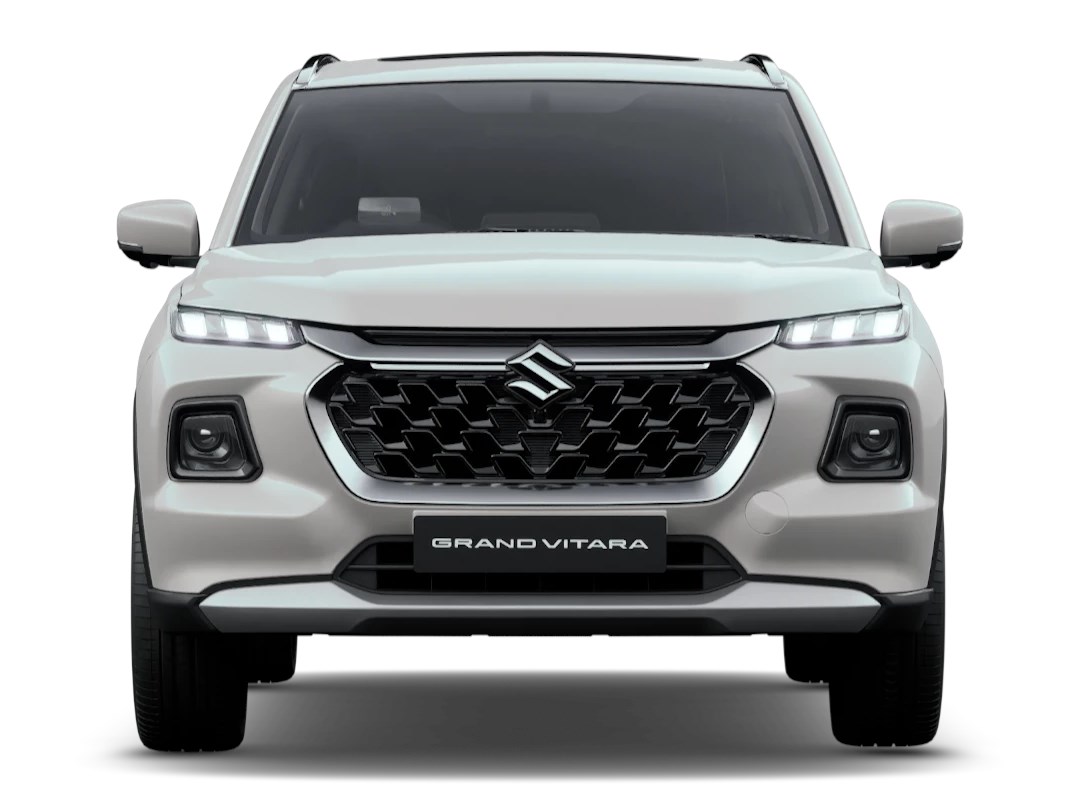
A strong hybrid counts 1.6 times and a flex-fuel strong hybrid 2.5 times, so carmakers have a good reason to sell more of them. Strong hybrids such as the Maruti Suzuki Grand Vitara and Toyota Urban Cruiser Hyryder are likely to be joined by more models, and flex-fuel hybrids that can run on high ethanol blends are expected to follow.
What CAFE-III means for EV buyers
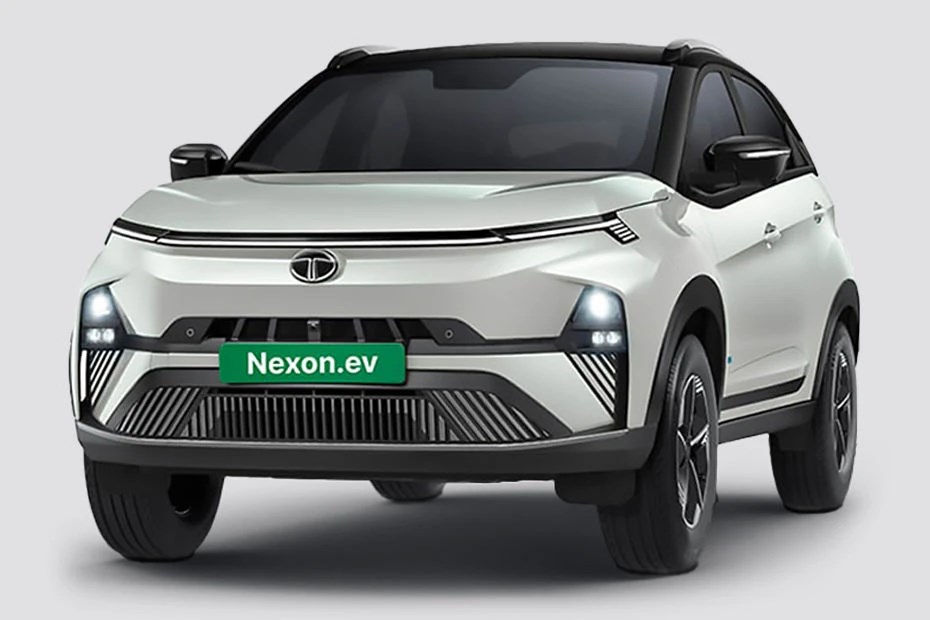
Each battery electric car is worth three cars in its maker's average, and spare credits can be sold. That makes every EV sale more valuable to a carmaker than its price alone, so expect more electric models, wider dealer networks and sharper prices or offers, especially from companies that rely on petrol SUVs. Electric cars made up 7.3% of car retail sales in October 2026, and CAFE-III gives makers a strong reason to push that share higher. See our October 2026 electric car sales report for the best-selling models.
Frequently asked questions
When do the CAFE-III norms start?
On April 1, 2027. They apply to passenger cars made or imported for sale in India until March 31, 2032.
What is the EV multiplier under CAFE-III?
Each battery electric or range-extended electric car counts as 3.0 cars in its maker's average. Plug-in hybrids and flex-fuel strong hybrids count 2.5 times, strong hybrids 1.6 times and flex-fuel ethanol cars 1.1 times.
Will CAFE-III make petrol cars more expensive?
Not directly. The rules set a company average, not a tax on each car, but makers that miss their target must buy credits, and some of that cost may reach buyers.
Do small petrol cars get any relief under CAFE-III?
No. An extra allowance for petrol cars under four metres, proposed in an earlier draft, was dropped from the final rules.
What happens if a carmaker misses its CAFE-III target?
It must cover the shortfall with credits, either bought from another carmaker or from the Bureau of Energy Efficiency at ₹2,500 per g CO2/km in FY28, rising to ₹4,500 in FY32.